
What Affects the Cost of a Business Website? A Simple Budget Guide
Website prices vary a lot. Here is what actually changes the cost of a business website or online store, and how to plan a budget that fits your goals.
TrioTech Agency 3 min read
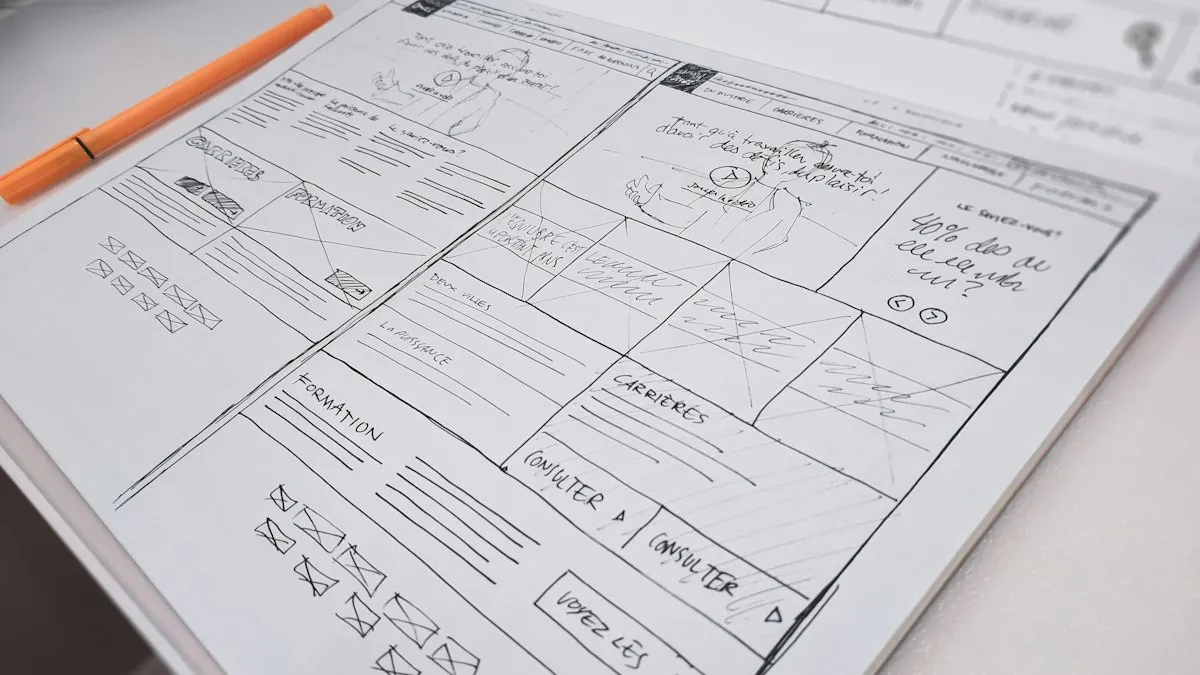
Ask five agencies how much a website costs and you may get five very different answers. That is not always because someone is overcharging. Websites differ in what they include, how they are built and what happens after launch.
This guide explains the main things that affect the price, so you can compare quotations fairly and spend your budget where it matters.
1. What the website needs to do
The biggest factor is the job your website has to do.
- A simple business website introduces your company, lists your services, shows your work and makes it easy to contact you.
- A lead-generation website adds forms, landing pages for campaigns, tracking and stronger calls to action.
- An online store adds products, a cart, checkout, payments, delivery options and order management.
- A custom web app includes features built only for your business, such as booking systems or customer portals.
Each step up adds design, development and testing time.
2. Number of pages and amount of content
A five-page site is quicker to build than a forty-page site. Also ask who is writing the content. If the agency writes your service descriptions and page copy, that is extra work and should appear in the quotation. Good content is one of the most valuable parts of a website, so it is worth budgeting for.
3. Design: template or custom
- Template-based design starts from an existing layout and adjusts colours, fonts and images. It is faster and more affordable.
- Custom design is planned around your brand and audience from scratch. It takes longer but helps you stand out.
Many businesses do well with a carefully customised template. Brands in competitive markets often benefit from a custom design.
4. Platform
- WordPress is flexible and widely used, with many plugins.
- Shopify is built for online stores and handles payments, products and orders reliably.
- Static or custom-coded sites are very fast and secure but usually need a developer for changes.
The right platform depends on who will update the site and what it needs to do. Read more about our web development and Shopify store development services.
5. Features and integrations
Each extra feature adds time: WhatsApp chat, booking forms, payment gateways, courier integrations, multiple languages, blog setup, analytics and Meta Pixel tracking, or connections to your CRM and email tools.
6. Ongoing costs after launch
A quotation for building the site is not the whole picture. Plan for:
- Domain name, renewed every year.
- Hosting, usually paid monthly or yearly.
- Paid themes, apps or plugins, if your site uses them.
- Maintenance: updates, backups, security and small changes.
- Marketing: SEO, content and ads to bring visitors to the site.
A website without visitors does not bring enquiries, so leave room in your budget for promotion.
How to compare quotations
When you receive quotations, check that each one clearly lists:
- The number of pages and what each page includes
- Who provides the content and images
- The platform and any paid tools
- Features and integrations included
- Mobile optimisation and basic SEO setup
- Number of revision rounds
- Timeline
- Who owns the domain, website and accounts (it should be you)
- What support is included after launch
A lower price that leaves out content, mobile optimisation or ownership often costs more later.
A practical way to start
If your budget is limited, start with a clean, fast website covering your key services and a strong contact page, then add features as your business grows. A good agency will help you separate what you need now from what can wait.
At TrioTech, every project starts with a clear scope and itemised quotation before work begins. Tell us what you need and we will recommend the right setup for your goals.